
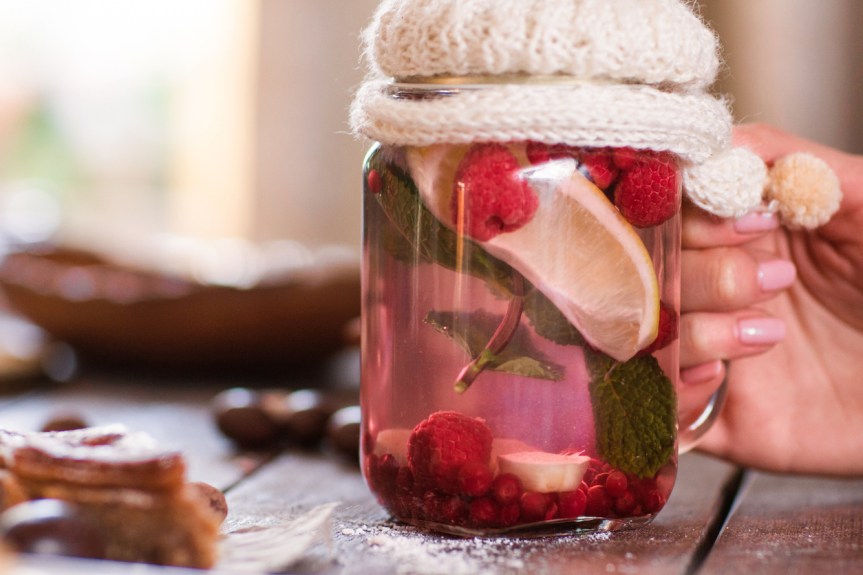
Winter concoctions often involve warm, spiced, and rich ingredients designed to provide comfort, warmth, and a potential immunity boost during chilly weather. Options range from traditional spiced teas and healthy tonics to decadent cocktails and mocktails.
These concoctions are primarily categorized by the ingredients used, which can be fruits, vegetables, herbs, or spices. The components are combined to create a wide variety of clean, flavorful and refreshing drinks, both hot and cold.
Deliciously infused, these concoctions are the simplest and most efficient way to upscale your food, boost your energy levels, and maintain a healthy metabolism.
Hydrating Bases
The following can be used as a base for your infusion:
- Coconut Water: A great base for winter hydration, packed with electrolytes and nutrients.
- Green Tea: Adds hydration and antioxidants, served hot or cold.
- Plain water: A great base when you are purely looking for an ingredient-centric effect.
General Ingredient Types
You can infuse your preferred base with almost any combination of ingredients, such as:
- Fruits: Apples, peaches, berries, melons, pineapple and various citrus fruits.
- Vegetables: Cucumber is the most common, but some recipes use ingredients like carrot or even jalapeño.
- Herbs: Mint, basil, rosemary, thyme, sage, and cilantro are all popular choices.
- Spices: Cinnamon sticks, fresh ginger root, and even cayenne pepper are used to add warmth and unique flavors.
These infused drinks are a great place to start with if you want to control your weight, get better hydrated, or simply have a healthy and great-tasting beverage.
Cold infusion Combinations ( a few can be served warm too)
Here are some popular types of infused water, categorized by their flavor profile:
Citrus & Berry Combinations
- Strawberry Lemon: A classic, bright combination that is both sweet and tart.
- Raspberry Lime: Features the sharp tang of raspberries balanced with zesty lime.
- Blueberry Orange/Lemon & Rosemary: A unique blend pairing the sweetness of berries with the aromatic note of rosemary.
- Citrus Delight: Often mixes lemon, lime, and blood orange (cultivated in the Mediterranean Italy, Spain and some US regions) slices for a vibrant and invigorating drink.
Cucumber & Mint Blends
- Cucumber Mint: A very popular and classic spa water combination known for its crisp, cooling effect.
- Cucumber Mint & Lime: Refreshing and light, this combo is a metabolic booster. It helps flush out toxins and keeps your skin hydrated. Use lukewarm water for a cosy winter twist.
- Watermelon Basil/Mint: Pairs the hydrating quality and sweetness of watermelon with the fresh taste of basil or mint.
Herbal & Spicy Infusions
- Ginger Rush/Lemon Ginger: Uses thinly sliced fresh ginger, often paired with lemon, for a spicy and potentially digestion-aiding beverage. It can be savored both hot and cold.
- Carrot Ginger: A unique infusion rich in Vitamin A, great for keeping the body warm.
- Apple Cinnamon: Features thinly sliced apples and a cinnamon stick for a warmer, spicier infusion that often requires an overnight soak.
- Apple & Star Anise: Add apple slices and a few star anise pods to water for a sweet and aromatic blend that supports metabolism and fights winter fatigue.
- Jalapeño Lime: A surprisingly refreshing option that provides a mild kick; only a few slices of jalapeño are typically needed.
- Berry & Basil/Sage: Combines the sweetness of blackberries with the earthy, aromatic quality of fresh sage from the mint family. Basil adds a fresh, unexpected flavor.
- Winter Berry: Use dried currants, raisins, or cranberries with water for a fruity boost.
Warm Infusions (Hot Drinks)
Masala Chai, Rasam, Kashmiri Kahwa, Saffron/Almond/Turmeric Milk, and Hot Chocolate are the most craved warm winter beverages in India. They help soothe and snuggle you up in the winter freeze. Adding to the list, here are a few flavorful detox warm water infusions to keep you refreshed, hydrated, and healthy through the winter chills.
- Hot Lemon, Ginger & Honey: Soothes throats, is a natural source of Vitamin C and offers antimicrobial benefits that aid digestion and immunity. Added benefit – it helps flush out toxins and clears your skin.
- Fresh Mint Tea: Steep fresh mint leaves in hot water for a refreshing, caffeine-free drink.
- Orange & Turmeric Infusion: Mix orange slices, turmeric, and a pinch of black pepper (to activate the curcumin in turmeric) in warm water for anti-inflammatory effects. The mix is a sure-shot immunity defender.
- Orange & Cinnamon Infusion: Add orange slices and a cinnamon stick to a pitcher of warm water to reap the required antioxidants and warmth during the season.
- Jeera (cumin) and Ajwain water: While Jeera is excellent for metabolism (aiding fat breakdown), antioxidants, and overall digestion, Ajwain (carom) excels at immediate gas, bloating, and acidity relief due to its potent carminative (thymol) properties. Combining them both offers comprehensive gut support and a complete detox.
Ingredients like cinnamon, cloves, ginger, peppercorns, cumin, ajwain, turmeric and honey in an infusion help generate heat in the body and can be added generously to hot drinks to boost your metabolism and build immunity in the winter. They help combat respiratory infections such as winter colds, coughs and stuffy noses.
Infused waters are safe during pregnancy. All you have to do is refresh the ingredients and water daily to keep things fresh. They are a great, low-calorie method to stay hydrated.
If you are looking to improve your well-being, consider adding the right supplements and vitamins, as suggested by your healthcare provider, to bolster your body’s hydration and overall health. A balanced combination can help maintain your energy levels and promote a healthier lifestyle.
Amp up your immunity with infused winter concoctions to stay hydrated, healthy and immunocompetent throughout this cold season.
 Dr Renu Madan