
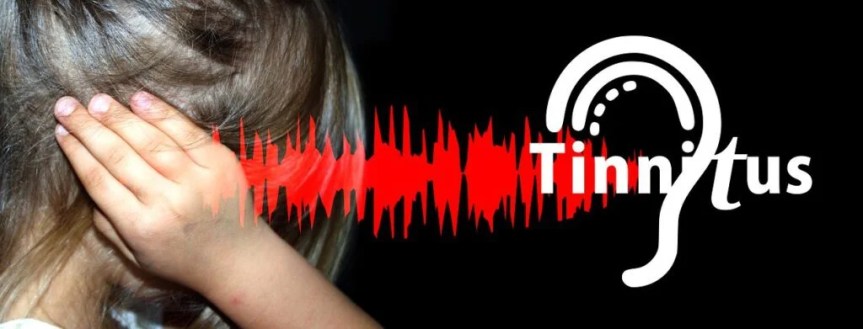
Tinnitus ~ a disorganized acoustic perception not produced by any sound source, inside or outside our body.
Tinnitus is a challenging condition where you hear noises in one or both of your ears. It is a dis-perception, which means, the noises you hear aren’t caused by any external sound, and other people usually can’t hear them.
Tinnitus affects about 15% to 20% of people worldwide and is especially prevalent in older adults. The noise of tinnitus may remain constant (present all the time), or come and go intermittently. In some cases, the noise can be so loud or continuous that it interferes with your ability to concentrate or hear external sounds. Living with tinnitus can get frustrating in such cases. One might experience sleeplessness, headaches, fatigue, or have concentration/memory issues leading to stress and anxiety which might in the long run culminate in irritability, depression, and problems with work and family life.
Tinnitus Basics
Most often described as a “ringing in the ears”, tinnitus can also manifest as other phantom noises, such as – buzzing, roaring, clicking, hissing, whistling, or humming.

We have tiny, delicate hair cells in our inner ear (cochlea) that move when our ear receives any sound waves from the surroundings. This movement triggers electrical signals along the nerve from the ear to the brain (auditory nerve). The brain interprets these signals as sound.
Tinnitus can develop for numerous reasons, which include:
- broken or damaged hair cells in the cochlea (the sound receiver in our ear) – which happen as we age or when are regularly exposed to loud sounds. These can “leak” random electrical impulses to the brain, causing one to perceive additional noises (tinnitus)
- an ear canal blockage resulting from a buildup of fluid in the ear due to an ear infection, earwax, dirt or other foreign material, can cause changes in the pressure in the ear, causing tinnitus
- changes in how blood moves through nearby blood vessels (Carotid artery or Jugular vein)
- problems with temporomandibular joint (TMJ) – where your lower jawbone meets your skull
- problems with how your brain processes sound
For most people, tinnitus is subjective, i.e. only you can hear the noises. These may vary in pitch from a low roar to a high squeal, in one or both ears.
In rare cases, tinnitus can occur as a rhythmic pulsing or whooshing sound, often in time with your heartbeat (pulsatile tinnitus). Your doctor may be able to hear your pulsatile tinnitus upon an examination – objective tinnitus.
When should you visit a Doctor?
While most people aren’t too bothered by tinnitus, for some, it can disrupt their daily lives. Do see a doctor if:
- You develop tinnitus after an upper respiratory infection, such as a cold, and your tinnitus doesn’t improve within a week.
- You have hearing loss or dizziness with the tinnitus.
- You are experiencing anxiety or depression as a result of your tinnitus.
Causes of Tinnitus
A few chronic health conditions that can affect ear pressure, bones or the nerves in your ear or the hearing centre in your brain:
- Meniere’s disease. Tinnitus can be an early indicator of Meniere’s disease, an inner ear disorder, caused by abnormal inner ear fluid pressure.
- Eustachian tube dysfunction. In this condition, the tube in your ear connecting the middle ear to your upper throat remains patulous/open all the time, which can make your ear feel full.
- Ear bone changes. Stiffening of the bones in the middle ear (otosclerosis) may affect hearing and cause tinnitus. The condition, caused by abnormal bone growth or arthritis, tends to run in families.
- Muscle spasms in the inner ear. Muscles in the inner ear can tense up (spasm), resulting in tinnitus, hearing loss or a feeling of fullness in the ear. This sometimes happens for no explainable reason, but can also be caused by neurological diseases, such as multiple sclerosis.
- Temporomandibular joint (TMJ) disorders. Inflammation, arthritis, or injury of the TMJ (one on each side of your head in front of your ears), can cause tinnitus.
- Acoustic neuroma or other head and neck tumors. Acoustic neuroma is a noncancerous (benign) tumor that develops on the cranial nerve that runs from your brain to your inner ear and controls balance and hearing. Other head, neck or brain tumors can also cause tinnitus.
- Blood vessel disorders. Atherosclerosis (thickened blood vessels), high blood pressure, or kinked or malformed blood vessels can cause blood to move through your veins and arteries with more force. The blood flow changes can cause tinnitus or make tinnitus more noticeable.
- Chronic health conditions. Anaemia, migraines, allergies, thyroid dysfunction, obesity, diabetes, high blood pressure, cardiovascular problems, and autoimmune disorders such as multiple sclerosis, rheumatoid arthritis or lupus have all been known to increase your risk of tinnitus.
Risk factors that fuel Tinnitus
Although anyone can experience tinnitus, the presence of the following factors may fuel your risk:
- Loud noise exposure. Loud noises, such as those from heavy equipment, chain saws and firearms, are common sources of noise-induced hearing loss. Portable music devices, such as MP3 players, also can cause noise-related hearing loss if played loudly for long periods. People who work in noisy surroundings (factory and construction workers, musicians, and soldiers) are particularly at risk.
- Age. As you age, the number of functioning nerve fibres in the ears decline, possibly causing age-related hearing issues associated with tinnitus.
- Sex. Men are more likely to experience tinnitus.
- Tobacco and alcohol use. Put you at a higher risk of developing tinnitus.
- Certain medications. Nonsteroidal anti-inflammatory drugs, diuretics, certain antibiotics, and blood thinners like aspirin or antidepressants if taken for a longer duration can fuel the occurrence of tinnitus.
Prevention and Management
In most cases, tinnitus is the result of something that can’t be prevented. However, some precautions can help manage certain kinds of tinnitus well.
- Use a white noise machine. If tinnitus is especially noticeable in quiet settings, try using a white noise machine to mask the noise from tinnitus. If you don’t have a white noise machine, a fan, soft music or low-volume radio static also may help.
- Use hearing protection. Long-term exposure to loud sounds can damage the nerves in the ears, causing hearing loss and tinnitus. Try to limit your exposure. If you are in an occupation that uses chainsaws, are a musician, work in an industry that uses loud machinery or use firearms (especially pistols or shotguns), always wear over-the-ear hearing protection.
- Turn down the volume. Please beware. Listening to music at very high volume through headphones can cause hearing loss and tinnitus.
- Take care of your cardiovascular health. Regular exercise, eating right and timely health visits to keep your blood vessels healthy can help prevent tinnitus linked to obesity and vascular disorders.
- Limit alcohol, caffeine and nicotine. These substances, especially when used in excess, can affect blood flow and contribute to tinnitus.
- Add vitamin B12 to your diet. Its deficiency might result in noises in the ears.
Diagnosis
Your doctor will typically diagnose tinnitus based on your presenting symptoms. However, identifying the underlying cause before commencing a treatment is a must.
Common tests include:
- Hearing (audiological) exam. During the test, you’ll sit in a soundproof room wearing earphones that transmit specific sounds into one ear at a time. You’ll indicate when you can hear the sound, and your results will be compared with results considered normal for your age. This can help rule out or identify possible causes of tinnitus.
- Movement. Your doctor may ask you to move your eyes, clench your jaw, or move your neck, arms and legs. If your tinnitus changes or worsens, it may help identify an underlying disorder that needs treatment.
- Imaging tests. You may need imaging tests – a CT or an MRI scan depending on the suspected cause of your tinnitus.
- Lab tests. Blood tests may be required to check for anaemia, a thyroid disorder, heart disease or any vitamin deficiency.
The type of sound you hear can help your doctor identify the possible underlying cause of your Tinnitus
A clicking sound suggests that muscle contractions in and around your ear might be the cause of your tinnitus.
A pulsing, rushing or humming sound usually stems from blood vessel (vascular) causes, such as high blood pressure. You may notice them when you exercise or change positions, such as when you lie down or stand up.
A Low-pitched ringing sound may point to ear canal blockages, Meniere’s disease or stiff inner ear bones (otosclerosis).
A High-pitched ringing is the most commonly heard tinnitus sound. Likely causes include loud noise exposure, hearing loss or medications. Acoustic neuroma can cause continuous, high-pitched ringing in one ear.
Treatment Options
For many people, tinnitus improves with treatment of the underlying cause. A few might have to resort to treatments/methods that reduce or mask the noise to help make tinnitus less noticeable.
# Treatment of the underlying health condition
Examples include:
- Earwax removal. Removing an earwax blockage can decrease tinnitus symptoms.
- Treating a blood vessel condition. Underlying blood vessel conditions may require medication or surgery to address the problem.
- Hearing aids. If your tinnitus is caused by noise-induced or age-related hearing loss, using hearing aids may help improve your symptoms.
- Changing your medication. If a medication you’re taking appears to be the cause of tinnitus, your doctor may recommend stopping or reducing the drug dose or switching to a different medication.
# Noise suppression if your tinnitus can’t be cured
Devices include:
- White noise machines. These devices, which produce a sound similar to static, or environmental sounds such as falling rain or ocean waves, are often an effective treatment for tinnitus. Try a white noise machine with pillow speakers to help you sleep. Fans, humidifiers, dehumidifiers and air conditioners in the bedroom also produce white noise and may help make tinnitus less noticeable at night.
- Masking devices. Worn in the ear similar to hearing aids, these devices produce a continuous, low-level white noise that suppresses tinnitus symptoms.
Medication
Drugs can’t cure tinnitus, but in some cases, they may help reduce the severity of symptoms or complications. To help relieve your symptoms, your doctor may prescribe medication to treat an underlying condition or to help treat the anxiety and depression that often accompany tinnitus.
Homoeopathy for Tinnitus – is it effective?
Although Homoeopathy can’t cure all kinds of tinnitus, it may help reduce your suffering to a large extent. Depending on the underlying causes and your individualising symptoms here are a few remedies that can be taken for relief:
Calcarea carbonica – Helps treat tinnitus in the form of cracking or pulsating noises in the ears, experienced alone or with vertigo. In addition, one may have hearing problems. People who need this remedy are usually chilly, easily fatigued, crave sweets, and feel overwhelmed and anxious when unwell.
Cannabis indica – Tinnitus in the form of ringing, buzzing or noises like that of boiling water with throbbing, aching and a feeling of blockage in the ears responds well to this remedy. One feels intensely sensitive to noise.
Chininum sulphuricum – Buzzing, ringing, and roaring sounds that are loud enough to impair the person’s hearing suggest a need for this remedy.
Graphites – This remedy is beneficial when tinnitus is associated with deafness. Hissing, clicking or even louder sounds like gunshots are often heard in the ears. The joint connecting your lower jaw to your face might be affected. People who need this remedy may also tend towards constipation, have poor concentration, and have some kind of skin eruptions.
Lycopodium – A humming and roaring in the ears, along with impairment of hearing suggests the use of this remedy. Sounds may also seem to echo in the ears. People needing Lycopodium have a tendency towards ear infections with discharge.
Natrum salicylicum – This remedy is beneficial if ringing in the ears is like a low, dull hum. It is a useful remedy when tinnitus and tiredness occur after influenza or along with Meniere’s disease and vertigo. Loss of hearing is related to bone conduction and/or nerve interference.
Salicylicum acidum – This remedy is indicated for tinnitus with very loud roaring or ringing sounds, accompanied by deafness or vertigo. The problem may have begun with a flu or occur in a person with Meniere’s disease. Salicylicum acidum may also be helpful if tinnitus has been caused by too much aspirin.
Do take an individualised consultation with your Homoeopathic physcian and do not self-medicate ~ to get a gentler, faster and long-lasting relief from tinnitus.
 Dr Renu Madan