
Atopic dermatitis (AD) or eczema is a skin condition that causes dry, rough, itchy, and inflamed skin (derma means “skin” and itis means “inflammation”). It’s common in young children but can occur at any age and often appears as red, scaly, scabby or bumpy patches, particularly in areas where the skin folds, like the inside of the elbows or behind the knees, face, and neck. The lesions might span the entire body in certain instances, except perhaps the diaper area.
Atopic dermatitis is long-lasting (chronic) and tends to flare sometimes. It can be irritating, but it’s not contagious.
The causation remains unknown, although it is believed to involve genetics, immune system dysfunction, environmental exposure, or difficulty with the skin’s permeability.
Although the terms “eczema” and “atopic dermatitis” are often used interchangeably, eczema actually is a broader term encompassing several types of dermatitis.
People with atopic dermatitis are at risk of developing food allergies, hay fever and asthma.
How do I know I have AD?
- Dry, scabby or cracked skin.
- Itchiness or pruritus, consequent upon dryness.
- Red, raw, sensitive skin from scratching.
- Inflamed patches with tiny blisters or bumps.
- Scaly or thickened skin due to chronic scratching.
- Open sore with oozing and crusting from the lesions if scratched hard, which can further get infected.
What are the Causes and Triggers?
- Genetic factors: The condition often runs in families, suggesting a gene variation that affects the skin’s ability to provide protection. With a weak barrier function, the skin is less able to retain moisture and protect against various bacteria, irritants and/or allergens.
- Environmental factors: Irritants like soaps, certain fabrics (rough wool or synthetics), and allergens (dust mites, pet dander, mold, pollen, smoke from tobacco, cold and dry air, certain fragrances, certain chemicals, heat and sweat) can trigger eczema flare-ups in an already predisposed skin.
- Allergies: The condition is often associated with other allergic conditions like hay fever and asthma.
How do I manage AD?
# Take a daily bath or shower: Use warm, rather than hot, water and limit your bath or shower to about 10 minutes. For young children, choose a cleanser free of dyes, alcohol, and fragrance. Typically, warm water alone is sufficient to keep them clean, as soap or bubble bath can irritate their tender and sensitive skin.
# Moisturise: Moisturising the skin with an unscented cream, shea butter, or lotion immediately after a bath helps seal the moisture. This can prevent dryness and itchiness to a large extent.
# Avoid irritants: Identify and avoid triggers such as harsh soaps, certain fabrics, and allergens to prevent flare-ups.
# Topical treatments: Although corticosteroid creams and other topical medications can help reduce inflammation and itching to an extent, I always advocate the application of virgin coconut or olive oil on the lesions. Homoeopathic non-steroidal ointments in gel and cream form do help in more acute stages.
# Oral medications: Conventionally, antihistamines and other oral medications can be used to manage itchiness and other symptoms. Homoeopathy has a lot to offer in this since the system not only helps give relief in the presenting illness, but also helps in modifying the inherent tendencies, making one less prone to the triggers.
# Stress management: Stress can trigger flare-ups in AD, so stress management techniques like exercise, yoga, and mindfulness can be helpful.
Her lesions were very dry, thick, scabby and inflamed, with intense itching and burning (probably more so, due to the application of acidic urine). She would start to bleed after scratching. Bathing made it worse. After advising them to stop the so-called “urine therapy”, she was started on oral homoeopathic medication and a simple topical application of coconut oil.
Here’s how the child journeyed through safe and gentle homoeopathic care spanning 6 months…

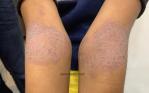


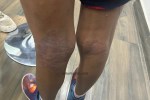



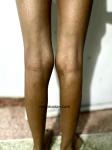
Her homoeopathic medication was stopped about five months ago. The last pics were requested 2 days ago (29.04.2025), and the parents were happy to oblige with gratitude :).
 Dr Renu Madan