
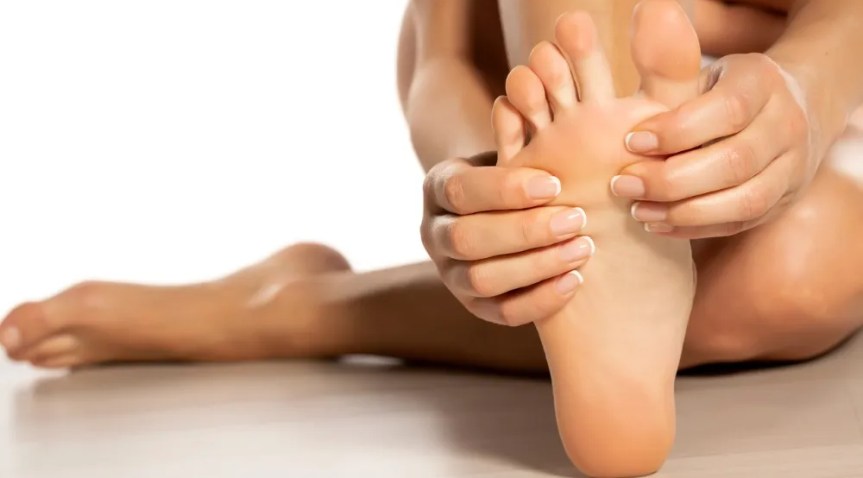
Who Wouldn’t love to have happy hands and feet!
Unfortunately, corns and calluses can change the way our hands and feet look or feel. If any of these is dampening your New Year Spirit, causing you pain, discomfort or giving an unsightly appearance, this post is meant for you! It might help tackle your issue and get you feeling your best again.
What are Corns and Calluses?
Corns and calluses are thick, hardened layers of skin that usually appear on feet and toes or hands and fingers. A kind of hyperkeratosis, these are skin’s natural reaction to repeated friction or pressure – our skin’s protective mechanism. So where does this friction or pressure stem from? The causes could range from tight-fitting shoes to high heels to cramped footwear like combat boots worn over a prolonged period.
One doesn’t need any treatment for corns and calluses unless they cause pain or one doesn’t like how they look. For most people, removing the source of the friction or pressure usually makes them disappear.
How Do They Look?
Corns and calluses can present as –
- a thickened, rough area of skin
- a hardened, raised bump
- a flaky, dry or waxy, overgrown skin with tenderness or pain under
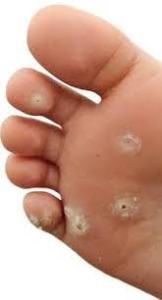
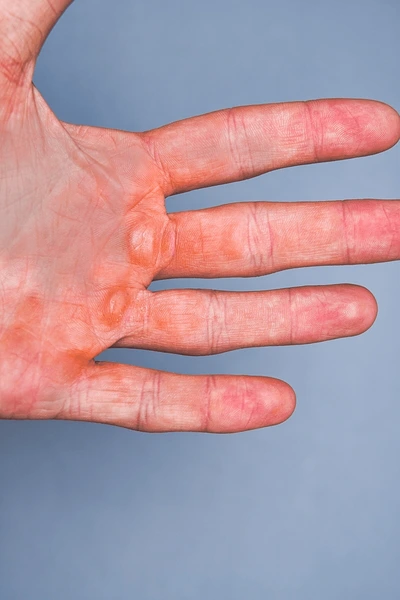
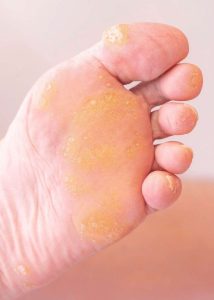
Corn vs Callus – Spot the Difference
Corns and calluses are two of the most common skin growths on feet or hands that most of us might have experienced at some point. However, they are not the same.
- Corns are skin growths made of buildups of thickened skin that are smaller but deeper than calluses. Corn has a hard centre surrounded by swollen skin and can be painful when pressed. Sometimes, it can go deep into the skin – these deep corns are shaped like cones. The main corn types include hard, soft, and seed corn. Hard corns often form on top of the toes, on the side of the foot or on the outer edge of the pinky toe, while soft corns tend to form between toes. Corns are small and round in most cases.
- Calluses are also buildups of dead skin but larger than corns and have a more irregular, spread-out shape. They are rarely painful and tend to develop on pressure spots or a part exposed to constant friction, such as the heels, the balls of the feet, the palms and the knees. The buildup of hardened skin is essentially your body’s way of protecting the skin from damage.
Consult your physician if a corn or callus becomes very painful or inflamed.
What Causes them?
Corns and calluses form when friction and pressure from repeated actions on the skin cause the superficial skin tissues to hypertrophy to prevent an internal injury and in time, bear a protective hard coating. Common sources of this friction and pressure include:
- Wearing ill-fitting shoes and socks. While tight shoes and high heels can squeeze areas of the feet, if your shoes are loose, they can cause your foot to repeatedly slide and rub against the shoe. Your foot may also rub against a seam or stitch inside the shoe. Socks that don’t fit right can also cause friction.
- Foregoing socks. Wearing shoes/sandals without socks can cause friction on the feet.
- Playing instruments or using hand tools. Calluses on the hands may result from repeated pressure from activities such as playing instruments (guitar, drum, tabla, etc.), using hand tools (knives, needles, scissors, saws, hammers, drum sticks etc.) or even a pen (middle finger callus).
- Inheriting a tendency to develop corns. The type of corn that forms on non-weight-bearing areas, such as the soles and palms (keratosis punctata), might be caused by your genetics.
Who Is More Likely to Get Them?
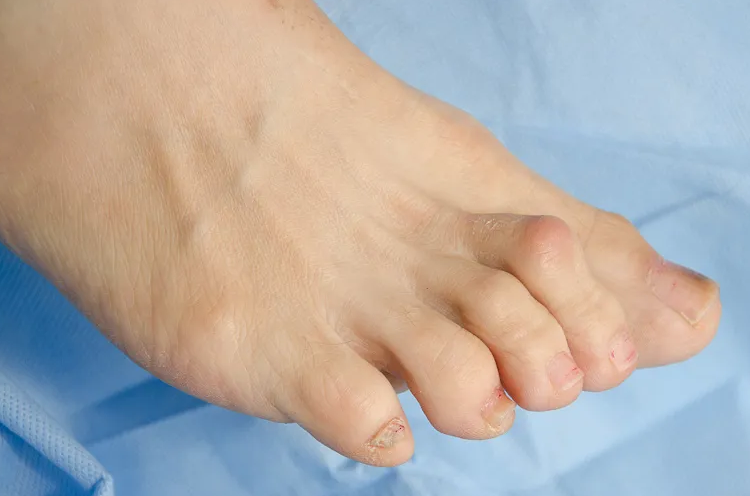
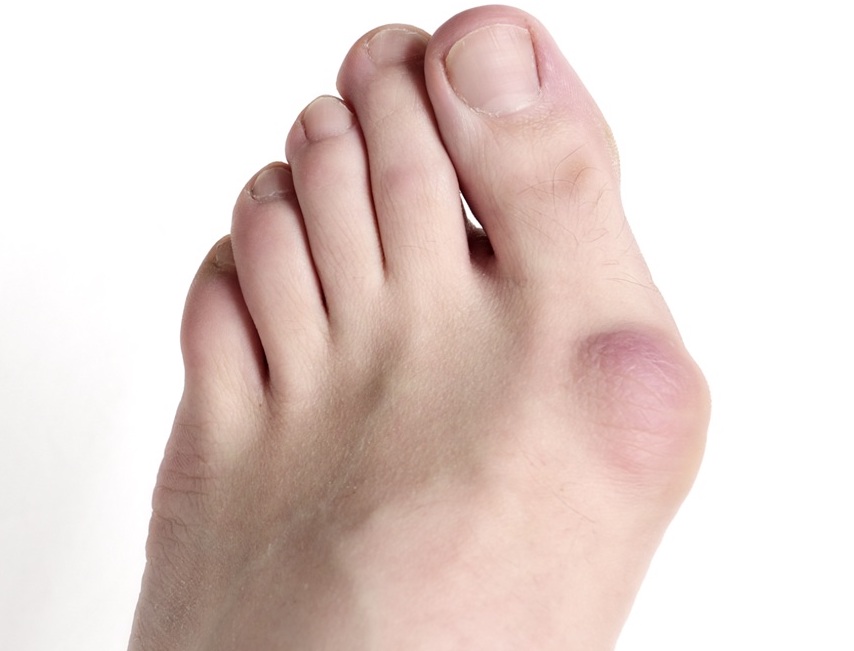
Corns and calluses can occur at any age, and even though everybody can get them, people with other foot conditions like hammertoes and bunions are more at risk for developing them. The skin on top of these deformities is exposed to friction and pressure from shoes, which often results in its thickening as a way of protection.
Occupations such as athletics – runners, jumpers (high and long), gymnasts, bodybuilders, bikers, dancers, tailors, cutters, barbers, surgeons and writers (using pen/pencil) increase one’s chances of developing corns and calluses over the hands and feet.
How are they different from a Wart or a Cyst?
Your physician might confirm this by paring away a bit of hardened skin. If it bleeds or reveals black points (dried blood), it’s a wart, not a corn.
What Are The Available Treatment Options?
Self-care for corns and calluses involves avoiding the repetitive actions that cause them.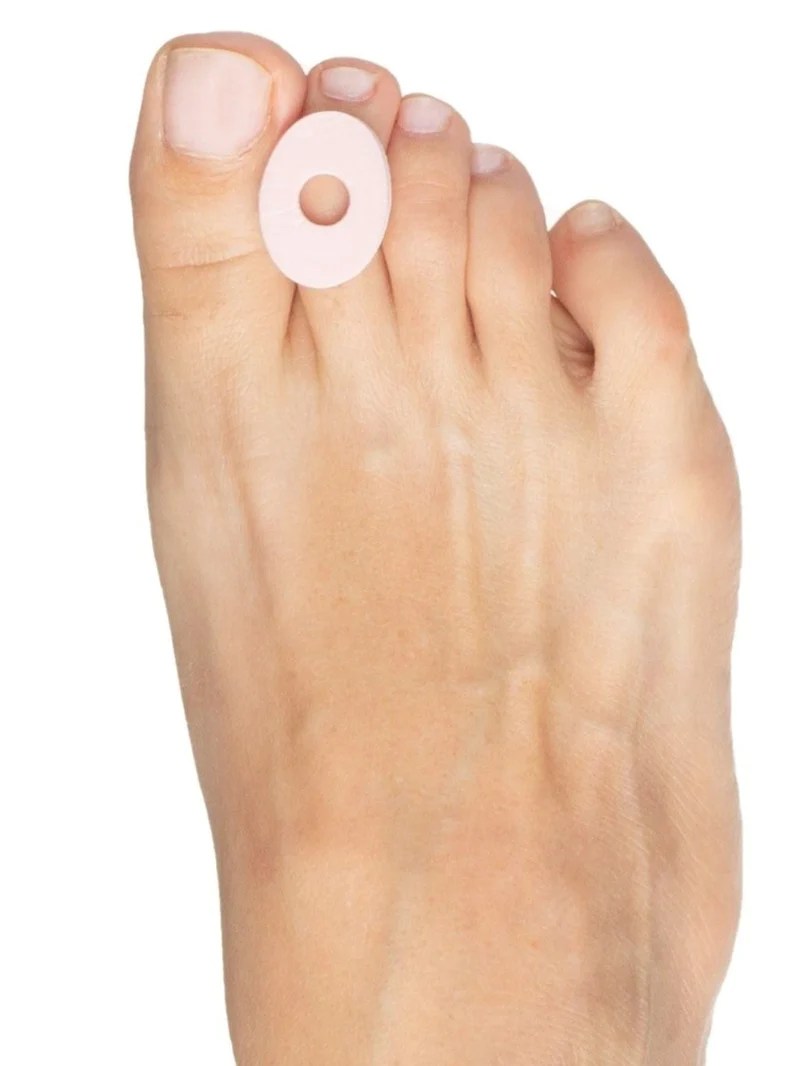
- Wear shoes that fit well and allow your toes plenty of room. If you can’t wiggle your toes, your shoes are too tight. You can even get a shoe shop to stretch your shoes at any point that rubs or pinches. If you use any orthotics or shoe inserts, make sure to have them on while trying on a new shoe at the store.

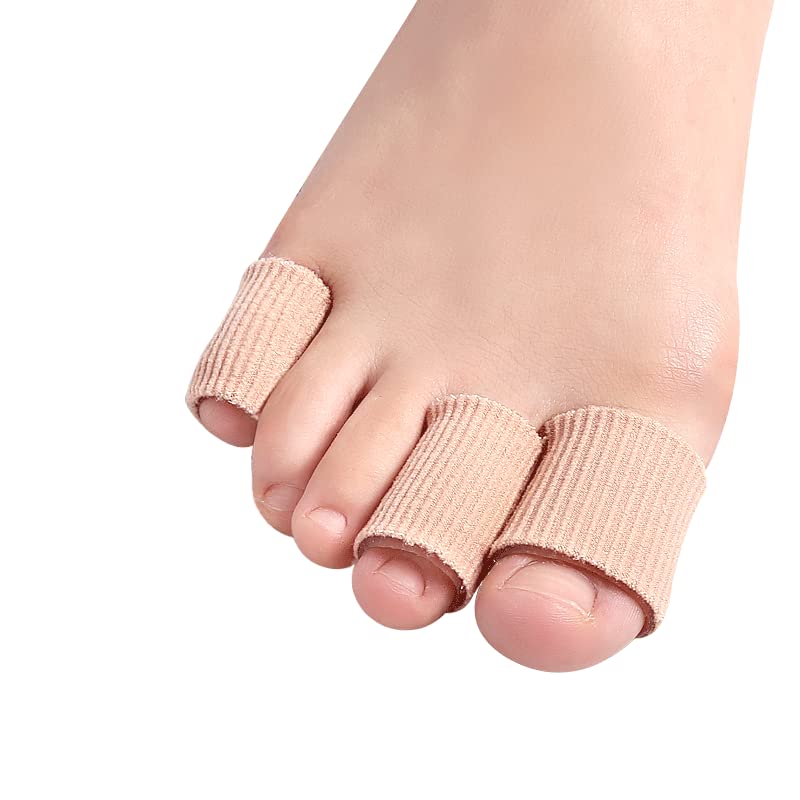
- Use protective coverings. Felt pads and/or nonmedicated corn pads help cushion the area that rubs against your footwear. Try toe separators or some cotton wool in between your toes in case your corns are seated in between toes.
 These protective coverings can only aid in giving some short-term relief. Unless and until the cause – repeated pressure or friction is removed, the corn/callus will keep troubling or coming back even if removed.
 - Wear padded gloves when using hand tools. Or try padding your tool handles with cloth tape or covers.
If you have diabetes or poor peripheral blood flow, seek medical care before self-treating corns or calluses because even a minor injury to your foot can lead to an infected open sore or ulcer.
If a corn or callus persists or becomes painful despite your self-care efforts, the following medical treatments can provide relief:
- Trimming away excess skin. Your health care provider can pare down thickened skin or trim a large corn with a scalpel. This is an OPD procedure. Don’t try this yourself as it could lead to an infection.
- Medicated patches*. Your healthcare provider may advise a patch containing 40% salicylic acid (Clear Away, MediPlast, etc.) for a relatively smaller corn or callus. To treat a larger area, salicylic acid in gel (Compound W, Keralyt) or liquid (Compound W, Duofilm) form is recommended.
- Shoe inserts. If you have an underlying foot deformity, your healthcare provider may prescribe custom-made padded shoe inserts (orthotics) to prevent recurring corns or calluses.
- Surgery. Your physician may suggest surgery to correct the alignment of a bone causing friction (hammer toe, bunion). This type of surgery can be done without an overnight hospital stay.
*Medicated corn pads contain caustic acids like salicylic acid. The acid does burn and destroy the corn, but sadly it does not know what is corn and what is not, so it is going to ‘eat’ or destroy whatever you put it on. That includes the normal skin around the corn and the normal tissues under the corn too. Now this potentially can get dangerous and result in necrotic tissue – a portal for infection which is all the more dangerous if you have diabetes.
Lifestyle and Home Remedies
In the absence of any underlying health condition, try these to help clear up a corn or callus:
- Soak your hands or feet in warm, soapy water. Soaking corns and calluses soften them. This can make it easier to remove the thickened skin.
- Thin the thickened skin. Once you’ve softened the affected area, rub the corn or callus with a pumice stone, nail file, emery board or washcloth. This helps remove a layer of toughened skin. Don’t use a sharp object to trim the skin. Don’t use a pumice stone if you have diabetes.
- Use corn pads. Applying a donut-shaped foam pad to cushion the corn or callus helps. Since they might contain Salicylic acid you can protect healthy skin by applying petroleum jelly (Vaseline) to the area around the corn or callus before using a medicated pad.
- Keep your skin moisturized. Use a moisturizer on your hands and feet regularly.
- Wear comfortable shoes and socks. Wear well-fitting, cushioned shoes and socks, at least until your corn or callus disappears.
Homoeopathic Treatment
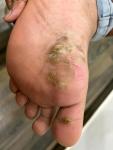
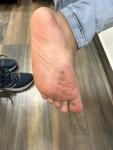
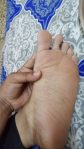
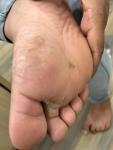
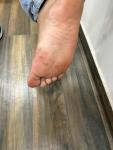
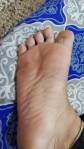
I want to share a case study here. A young man of 30 came to me sometime back with both his feet in bad shape. There were multiple corns and callosities on the soles, due to unattended medication or probably no follow-up with the doctor. There was an abuse of Salicylic acid. His soles were scalded and his skin was peeling causing a lot of pain. On his first visit, the man came limping as he could barely keep his feet on the ground. They were smeared deep yellow with the acid. After cleaning them properly with a mix of Homoeopathic Calendula and Echinacea mother tinctures, I was able to see the actual issue. After a thorough case taking he was prescribed an oral homoeopathic medication for 7 days. Other instructions included a topical ointment and the use of felt pads till he experienced pain. [We somehow missed taking the Day 1 pictures, so the first pics were taken after 7 days of starting the treatment]. His condition was much better upon his third visit and by the fourth time, we received the pics taken at home with a note of thanks. The corns and callosities were gone!
5 Best Homeopathic Medicines For Corns/Calluses
The following Homoeopathic remedies are tried and tested clinically:
- Antim Crudum: This Homoeopathic medicine can help when the feet are covered with too many corns making walking difficult. The corns are pointed and hard to touch. The medicine gives excellent results when unhealthy weight in obese people is the cause of added pressure, apart from ill-fitting shoes.
- Sulphur: When one experiences burning pain in the soles over the corns/calluses and sweats a lot on palms and soles, sulphur ensures a cure.
- Ferrum Picric: This medicine can help patients when the corns/calluses become discoloured and affect the hue of the surrounding area as well.
- Lycopodium: When walking around with the growth causes dull and persistent aches, this medicine is helpful. Everything you step on seems too hard.
- Silicea: When the corn/callus is still soft, the best Homoeopathic medicine is Silicea. It helps in treating symptoms like icy cold feet and pus formation in the corns.
Do not self-medicate and get in touch with your Homoeopathic physician in case you are not benefitting from any of the treatments you are taking ~ for a faster, gentler, and long-lasting cure of your corns or calluses.
 Dr Renu Madan